Shock from Iran war has Trump's vision for US energy dominance flailing
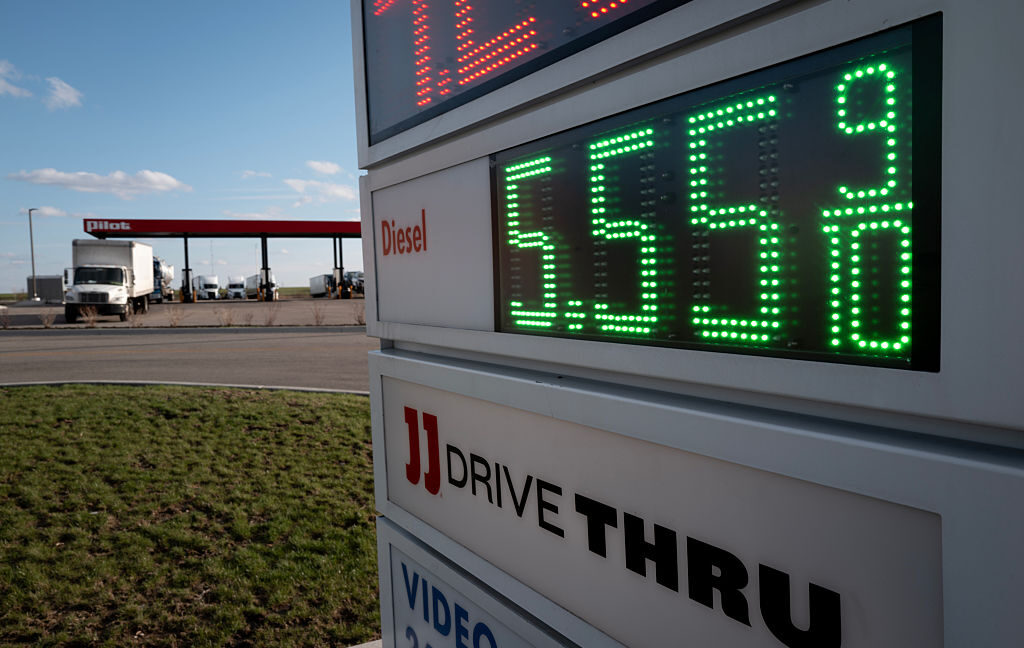
In President Donald Trump’s telling, the United States has fuel enough to hover above the chaos that his attack on Iran has triggered in global energy markets. “We’re in great shape for the future,” Trump said in a speech last week, asserting that this nation, as the world’s biggest oil and gas producer, doesn’t rely on the tankers Iran blocked from passage through the Strait of Hormuz for the past month. “We don’t need anything they have.” But the view is much different beneath the service station signs across the country that have flipped to more than $4 per gallon for the first time in four years. Over the past month, US households paid $8.4 billion more for gasoline compared to prices before the war on Iran began, according to a report by Democrats on Congress’ Joint Economic Committee. Read full article Comments
In President Donald Trump’s telling, the United States has fuel enough to hover above the chaos that his attack on Iran has triggered in global energy markets.
“We’re in great shape for the future,” Trump said in a speech last week, asserting that this nation, as the world’s biggest oil and gas producer, doesn’t rely on the tankers Iran blocked from passage through the Strait of Hormuz for the past month. “We don’t need anything they have.”
Record domestic oil and gas production hasn’t saved US drivers from price spikes.
Under the two-week ceasefire agreement that headed off—for now—Trump’s threat to destroy “a whole civilization,” Iran was to re-open the Strait of Hormuz. But most tankers remained blocked while the sides sparred over details of the deal. Iran has made clear it intends to maintain control over the passageway for 20 percent of the world’s oil and liquefied natural gas (LNG). The oil industry reportedly was lobbying the White House to reject Iran’s bid to levy multimillion-dollar tolls on tankers to pay for post-war rebuilding, but crossing fees reportedly already were being charged.
Oil prices will remain elevated at least through the end of the year even if the conflict is fully resolved by the end of April, the US Energy Information Administration said in a short-term outlook Tuesday. And key energy infrastructure—like the world’s largest LNG export terminal at Ras Laffan Industrial City in Qatar—could be hobbled for years by severe damage sustained in missile strikes.