Next Space Force chief throws cold water on the idea of space privateers
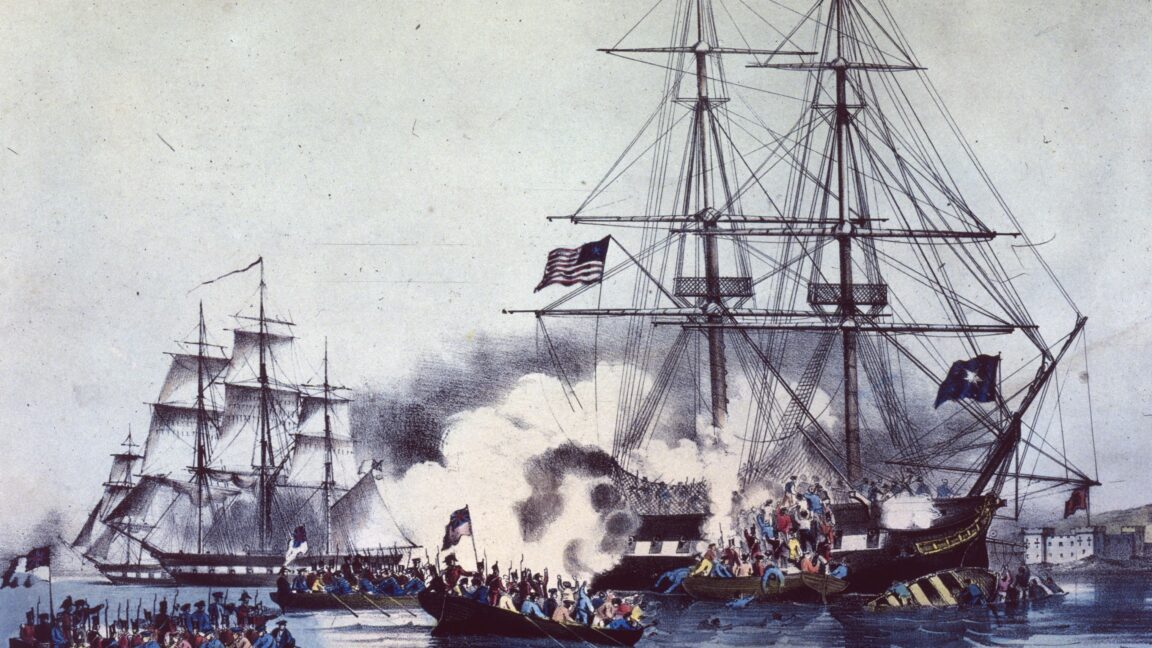
In the early years of the United States, when the nascent US Navy was still getting its sea legs, several presidents used privateers to capture or destroy enemy warships when armed naval vessels were unable to do so. President John Adams was one of the most vigorous proponents of commissioning private vessels for national ends. His administration issued letters of marque and reprisal during the so-called " Quasi-War " with France in the final years of the 18th century. These letters created the legal distinction between privateering and piracy. One of the letters signed by Adams, dated November 1799, authorized the use of a merchant ship to "subdue, seize, and take any armed French vessel" found near US coastal waters of "elsewhere on the high seas." France also routinely used privateers against US shipping at the time. Read full article Comments
In the early years of the United States, when the nascent US Navy was still getting its sea legs, several presidents used privateers to capture or destroy enemy warships when armed naval vessels were unable to do so.
President John Adams was one of the most vigorous proponents of commissioning private vessels for national ends. His administration issued letters of marque and reprisal during the so-called " Quasi-War " with France in the final years of the 18th century. These letters created the legal distinction between privateering and piracy.
It turns out some of Benjamin Franklin’s opinions from 240 years ago are still relevant today.
The Continental Navy also relied on privateers for military purposes during the American Revolution, and President James Madison approved the use of merchant ships to fight against the much larger British Royal Navy in the War of 1812 . America’s use of privateers declined as the government expanded the size of the US Navy.
The Constitution explicitly gives the government the power to use privateers. But the practice has become more controversial over the last 250 years. Many leaders in the late 18th century already considered privateering a morally ambiguous practice, according to Michael Crawford, a former senior historian at the Naval History and Heritage Command. The use of private vessels in warfare is largely moot in today’s era of US naval dominance.