Trump to give Republicans a 3-1 FCC majority, isn't filling empty Democratic seat
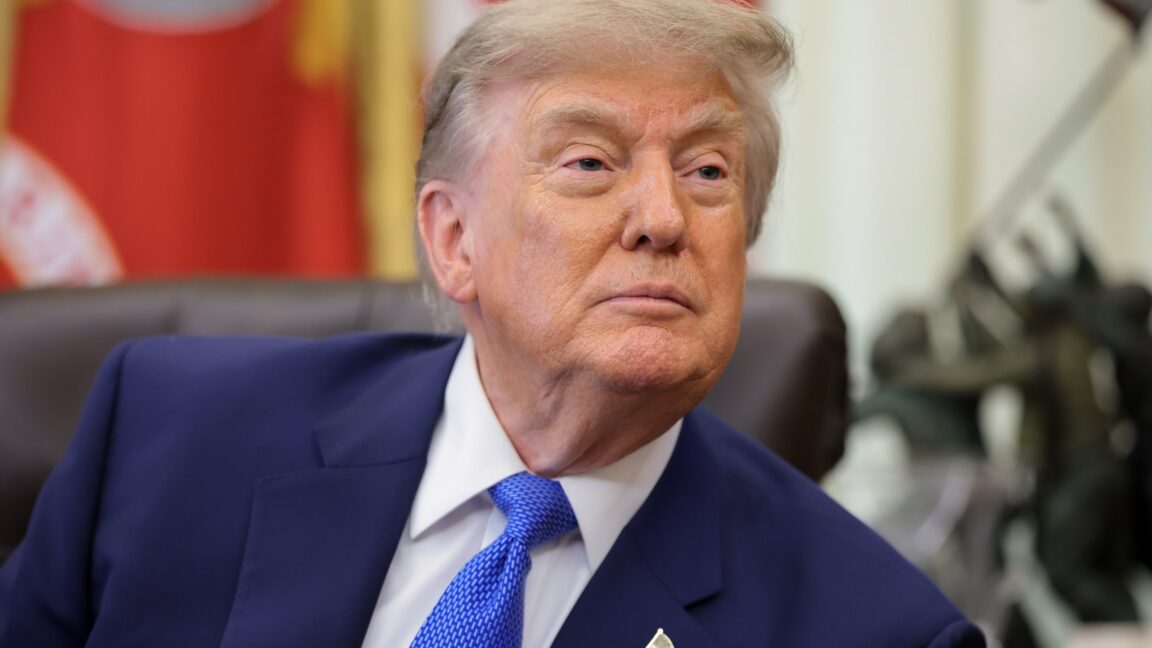
The Federal Communications Commission has been shorthanded throughout President Trump's second term, but it's about to get a new commissioner. Unsurprisingly, Trump is breaking a historical norm with a nomination that would give Republicans a 3-1 advantage on the FCC. Historically, the president and Senate worked together to ensure that the president's party maintained only a one-vote majority. Normally, the president's party has three FCC members while the minority party has two. Instead of the typical 3-2 split, the FCC has operated with a 2-1 Republican majority during Trump's second term. On Friday, Trump nominated Republican Danielle Thumann Severs to take one of the empty spots. Thumann Severs, a lawyer, has been working as FCC Chairman Brendan Carr's senior counsel. She must be confirmed by the Republican-controlled Senate before being sworn in as a commissioner. Read full article Comments
The Federal Communications Commission has been shorthanded throughout President Trump's second term, but it's about to get a new commissioner. Unsurprisingly, Trump is breaking a historical norm with a nomination that would give Republicans a 3-1 advantage on the FCC.
Historically, the president and Senate worked together to ensure that the president's party maintained only a one-vote majority. Normally, the president's party has three FCC members while the minority party has two.
Trump has resisted urge to fire FCC Democrat despite recent Supreme Court win.
The FCC has played a leading role in Trump’s attacks on news broadcasters, with Carr using his position to investigate and threaten the licenses of broadcasters that don’t provide coverage favorable to Trump. A third Republican to cast votes at commission meetings will give Carr more support for his policies.
Every FCC commissioner must be confirmed by the Senate after receiving a nomination from the president. Even commissioners in the minority party need a presidential nomination.