Did poop enable the evolution of complex animals?
The Cambrian explosion may have been fueled by poop. The first animals on Earth emerged about 600 million years ago, and 60 million years later, those simple early animals evolved into wildly different directions, branching out into a diverse menagerie of complicated new forms and conquering new ecological niches. Known as the Cambrian Explosion, this flurry of rapid evolution produced most of the animal phyla and ecosystems we see around us today. And it may have taken off because some of those early animals evolved a bizarre new ability: pooping. According to a recent study, the first poo pellets helped spread nutrients to deeper parts of the ocean, fueling the evolution of bigger animals in more diverse ecosystems. Read full article Comments
The Cambrian explosion may have been fueled by poop.
The first animals on Earth emerged about 600 million years ago, and 60 million years later, those simple early animals evolved into wildly different directions, branching out into a diverse menagerie of complicated new forms and conquering new ecological niches. Known as the Cambrian Explosion, this flurry of rapid evolution produced most of the animal phyla and ecosystems we see around us today.
In a recent study, evolution gets even messier than usual.
Powered (partly) by poop: The ocean’s biological pump
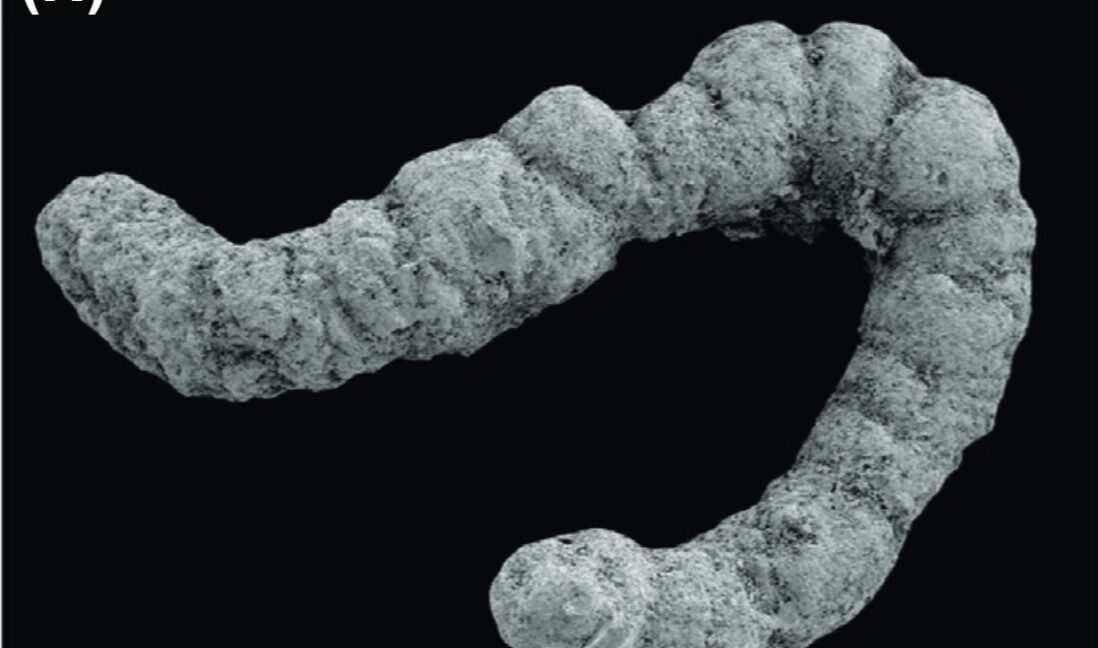
Karlsruhe Institute of Technology paleontologist Julien Kimming and Flinders University paleobiologist Russell Bicknell recently dug through the scientific literature for every fossilized digestive system and Cambrian-period coprolite ( fossilized fecal matter ) they could find, plotting how digestive tracts and feces evolved over time. They also examined the nutrient cycles that support life in today’s oceans and compared them with what—based on simulations and geological evidence—the oceans’ chemical makeup would have been 540 million years ago. All that data pointed to something we’ve overlooked: the raw nutrients that fed the ancestors of today’s animal phyla may have reached the ocean depths thanks to feces.