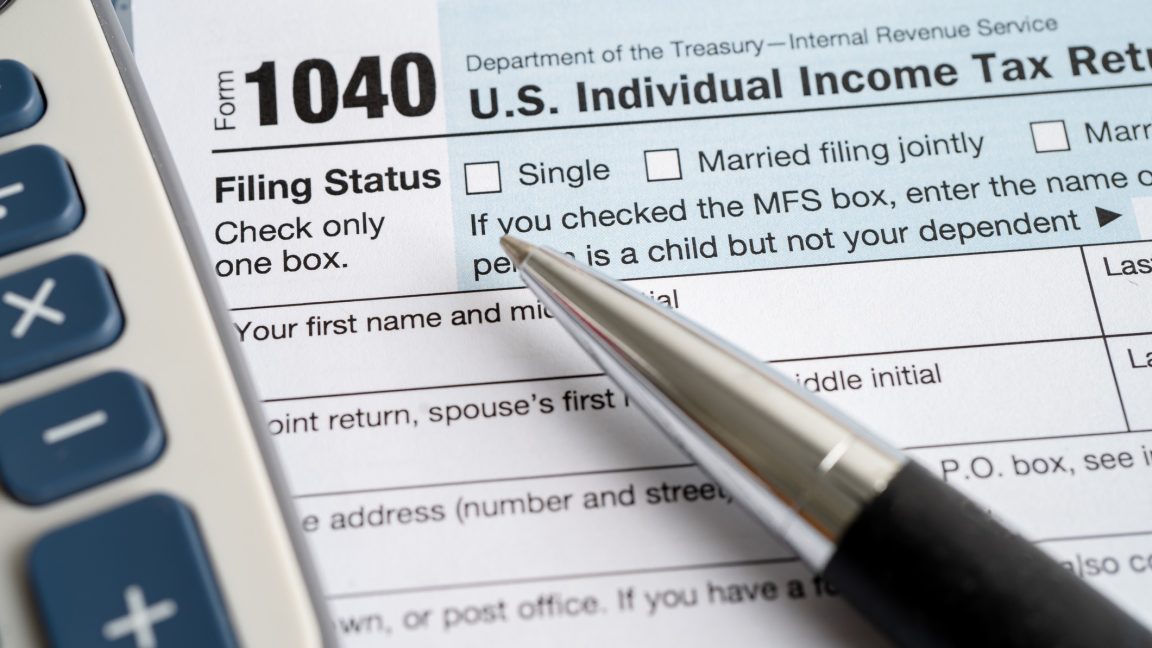
It's Tax Day, and no one knows how to file for prediction market winnings
How do you file taxes on prediction market profits? It seems like the type of straightforward question any halfway decent bookkeeper should be able to answer. Right now, though, it’s a conundrum for tax experts across the country. “You have a vacuum of guidance,” says Patrick Camuso, an accountant who specializes in digital assets. “It puts the taxpayer in a bad position.” Prediction markets have been around for decades, so this isn’t a new issue. But platforms like Kalshi and Polymarket have exploded in popularity since last year, which means the question of how to properly account for prediction market gains has shifted from a niche concern to something far more urgent for many people. While only a small sliver of the population actually uses the markets—around 3 percent, according to a recent poll —that still means millions of US residents are obligated to report their wins and losses to the Internal Revenue Service. There’s big money in play here. Kalshi, which has a predominantly American user base, saw over $12 billion in monthly trade volume this past March, according to markets tracker Defi Rate. Kalshi declined to comment. The IRS and Polymarket did not respond to requests for comment. Read full article Comments
It’s time for Americans to pay taxes on prediction market winnings, but no one knows how.
The IRS has not issued official guidelines on how to approach prediction markets, which means people who used these platforms now have to muddle their way through tax season hoping they aren’t inadvertently breaking the law. There are several potential ways to report wins and losses; some people are applying a statute governing tax reports on financial derivatives (like futures contracts and foreign currency contracts). Others are treating their prediction market gains as they would gambling winnings or are simply reporting them as regular income and crossing their fingers. Capuso describes the prediction markets as “a mix of wagering, derivatives, and investment contracts all mixed together in a unique bucket” and says that he assesses what clients owe on a case-by-case basis. “Our firm generally takes a more conservative position for most clients due to the ambiguity around a lot of the tax rules.”
For traders who report prediction markets earnings as gambling winnings, the process can be onerous. Bettors must track their winnings on a “per session” basis, which means that instead of reporting a net amount, a thorough record of each wager must be kept. Nate Meininger, a Phoenix-based prediction market trader, has joked on X about how the lack of guidance means you don’t have to declare the income. In real life, however, he says he reports gains by looking at the tax documents offered by platforms like Kalshi and consulting with an accountant. “I don’t track it myself,” he says. “That seems like a lot of work.”