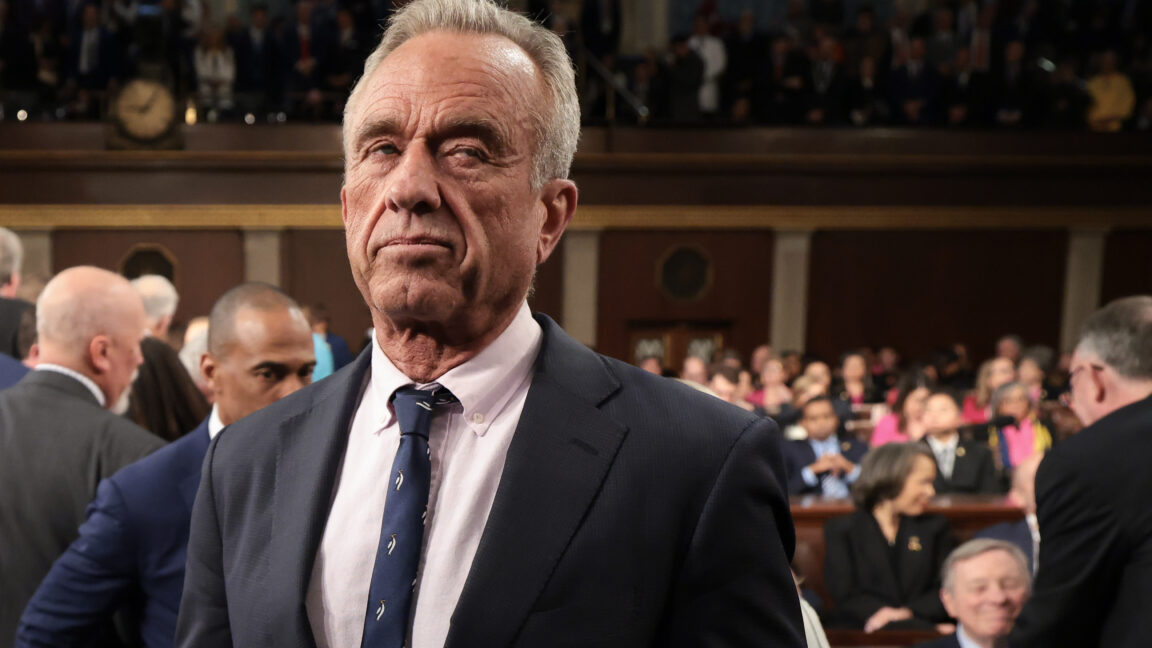
RFK Jr. rewrites CDC panel's charter, opening door to anti-vaccine quacks
As expected, anti-vaccine Health Secretary Robert F.
ACIP’s charter now full of anti-vaccine terms and welcomes fringe groups to CDC.
On Monday, a notice in the Federal Register indicated Kennedy renewed the charter for the CDC’s Advisory Committee on Immunization Practices (ACIP), which is done every two years, with the last term having ended April 1. But instead of the usual humdrum renewal process, the notice on Monday indicated big changes were coming to the defining document of the panel, which heavily influences federal vaccine policy that, in turn, influences state requirements and insurance coverage.
The new charter , published Thursday, reveals new responsibilities that redirect advisors toward topics and terms dear to anti-vaccine activists. For instance, ACIP members will now be responsible for “considering analysis of cumulative effects of vaccines and their constituent components.” This wording echoes explicit goals of Kennedy’s anti-vaccine allies, who aim to pin complex conditions—such as allergies, autism, and neurodevelopmental conditions—on combinations of vaccinations or common ingredients in those shots, such as aluminum adjuvants. This is a pivot from anti-vaccine activists’ earlier attacks that focused on individual vaccines, such as the false, fraudulent claim that the measles vaccine is linked to autism—a claim that has been roundly debunked by dozens of high-quality studies.
The charter now explicitly tasks ACIP with monitoring mRNA vaccines, which have always been in ACIP’s purview, but are particularly reviled by Kennedy and those in his sphere. Kennedy once falsely claimed the mRNA COVID-19 vaccine was “the deadliest vaccine ever made.”
Among other changes, ACIP is now charged with “reviewing vaccination schedules by other countries and international organizations. This follows Kennedy’s unilateral decision at the beginning of the year to dramatically slash the CDC’s childhood vaccine schedule to match the oddly narrow schedule in Denmark, a small country with a relatively homogenous population and universal healthcare.