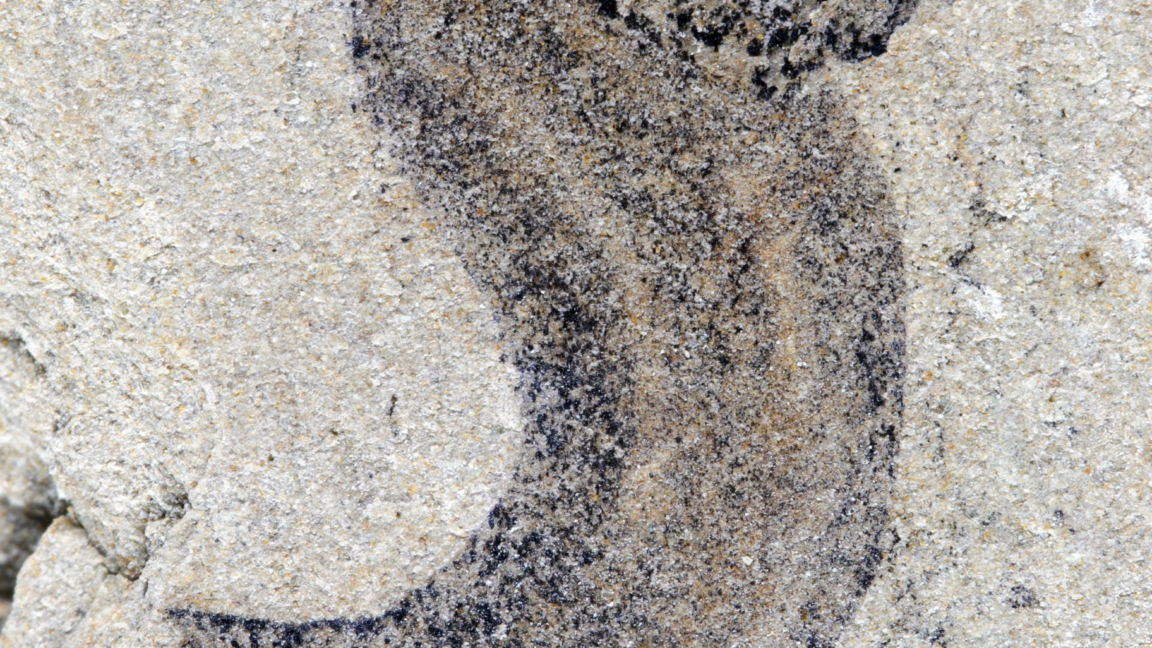
New fossil deposits show complex animal groups predating the Cambrian
The details of how animal life began are a bit murky. Most of the groups familiar today are present in the Cambrian, a period when they rapidly diversified, with familiar features evolving alongside bizarre creatures with no obvious modern equivalents. There are hints that some forms of present animal life predated the Cambrian. But most of the organisms we've found in Ediacaran deposits have no obvious relationship to anything we're familiar with. The complete absence of these creatures in later strata suggests they might have vanished in a mass-extinction event that cleared the way for the explosion of Cambrian species. But a new series of fossils found at a site in China includes examples of groups that flourished in the Cambrian living side by side with a few Ediacaran species. The deposits suggest that there might have been a gradual shift into the Cambrian. Ediacaran and more The newly described fossils, described by a team from Yunnan University and Oxford University, come from just south of Kunming, near Fuxian Lake. The rocks they're in are part of the larger Dengying Formation, within a segment known to include Edicaran deposits, which ranged from 635 to 540 million years ago. They come from close to the end of the period, only about 7 million years before the first clearly Cambrian deposits. Read full article Comments
Collection of fossils includes Ediacaran, Cambrian species, suggesting a transition.
The site had previously been known for abundant algae, but the new fossils include over 700 species, which the researchers are calling the Jiangchuan Biota. The fossils themselves are very small, typically one to two centimeters. They’re largely impressions in a single layer of rock and are rich in carbon—so much so that many of the fossils are simply black. Still, they preserve a lot of details, including what appear to be internal organs in some cases.
The researchers say the fossils were likely buried rapidly in sediment in what had once been a shore environment just a bit deeper than the low tide mark. The researchers suggest that it likely represents a similar environment to the Burgess Shale Cambrian fossils.