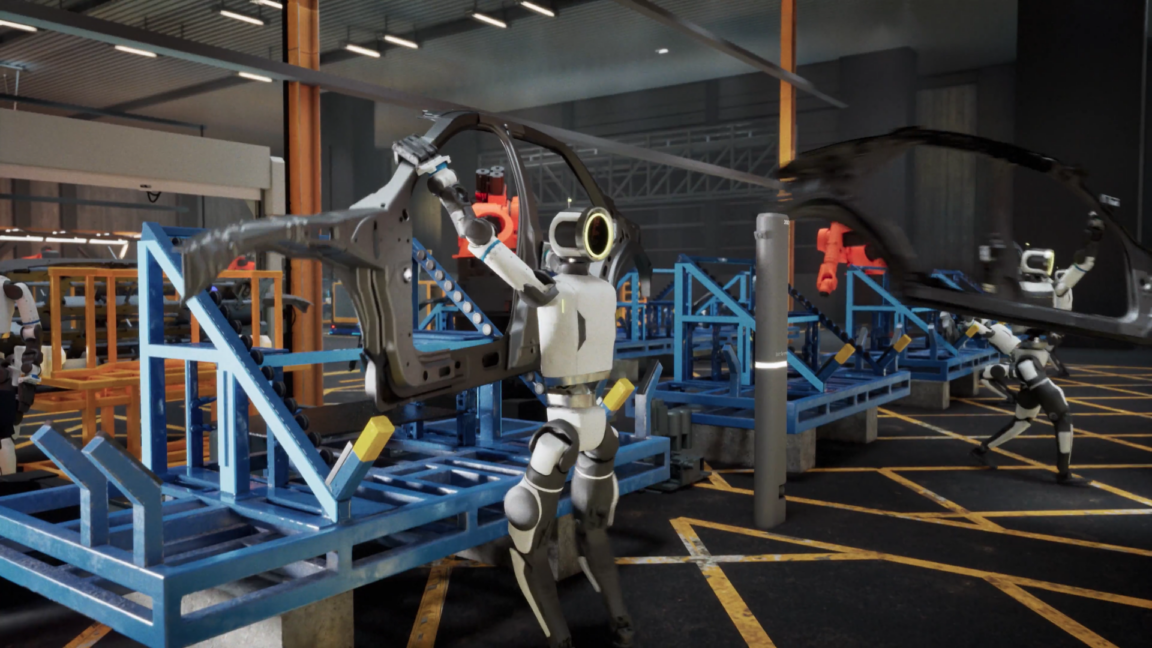
Fear of humanoid robots spurs human workers to strike at Hyundai auto factory
Thousands of unionized Hyundai auto workers began walking off the job early after negotiations with the South Korean automaker broke down over plans to deploy humanoid robots—the most significant pushback from organized labor so far over the latest wave of robotic automation. The partial strike at Hyundai’s automotive production complex in the city of Ulsan in South Korea represents “the car industry’s first factory stoppage addressing humanoid robots,” according to The Wall Street Journal . Workers have already ended their day and night shifts two hours early at the world’s largest automotive plant from July 13 through July 15, and plan to start staging four-hour strikes from July 20 to 22 after 15 rounds of negotiations failed to reach an agreement, The Korea Times reported. Union pushback began as soon as Hyundai Motor Group unveiled the latest version of the Atlas humanoid robot , a two-legged robot that stands at more than 6 feet tall and can lift more than 100 pounds, at the start of this year. Atlas is made by Boston Dynamics, the US robotics company that is about to become a wholly owned subsidiary of Hyundai. Read full article Comments
Thousands of unionized Hyundai auto workers began walking off the job early after negotiations with the South Korean automaker broke down over plans to deploy humanoid robots—the most significant pushback from organized labor so far over the latest wave of robotic automation.
Hyundai aims to deploy 25,000 Atlas robots starting with US factories in 2028.
Each Atlas robot costs an estimated $130,000 but may pay for itself within about two years of operations, according to Samsung Securities Co. analyst Esther Yim in a Bloomberg interview . If the robot cost eventually falls to $100,000, James Hong at Macquarie Securities Korea Ltd. suggested that its operational cost could fall below the US federal minimum wage of $7.25 and significantly undercut a typical auto worker’s salary.