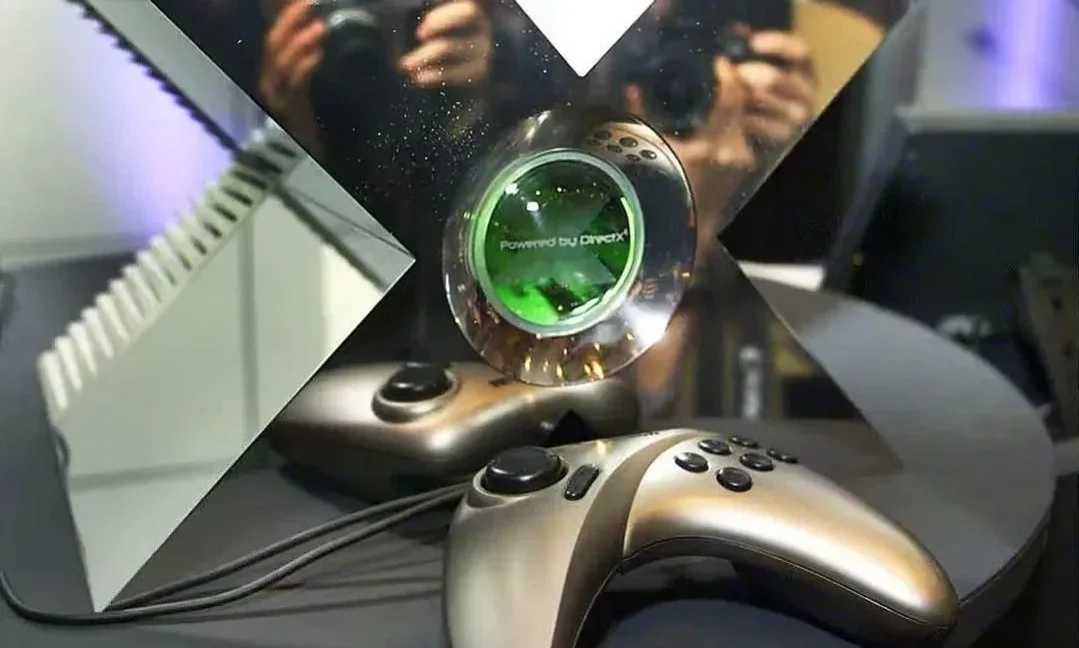
Microsoft brings original Xbox backward compatibility to Windows PCs
For years, Microsoft has leaned heavily into extensive backward compatibility across multiple generations of Xbox hardware as a major selling point for its consoles. Today, that effort expands past the console ecosystem, making select original Xbox titles officially playable (and purchasable) on Windows PCs for the first time. The appropriately and bluntly named "Xbox Backward Compatibility on PC" program kicks off today with compatibility for BLiNX: The Time Sweeper , Conker: Live and Reloaded , Crimson Skies: High Road to Revenge , and Fuzion Frenzy . PC players can download each title for $10, but those with Xbox Game Pass subscriptions or existing digital licenses for these games on console will have instant access without an additional purchase (no such luck if you simply stick an original Xbox disc in your PC drive, alas). Playing these older Xbox titles on PC enables some bonus graphical features like Vsync support, anisotropic filtering, enhanced anti-aliasing, and up to 4x resolution scaling of the original SD signal (to 2560x1920). Games are limited to their original frame rates and aspect ratios, though, which means a 30 fps 4:3 image in most cases. Microsoft says this first batch of games should be playable with 11-year-old GTX 950 graphics hardware, but recommends a 2017-era GTX 1070 Ti with 8GB of VRAM for best performance. Read full article Comments
First four compatible titles can be run with an 11-year-old graphics card.
Early testing from Digital Foundry found the PC experience akin to playing the same games on an Xbox Series X. That said, the testers reported weak anisotropic filtering, some frame timing issues that led to “jerky camera motion,” and “a handful of visual bugs” across the initial wave of titles.
From a technical standpoint, getting original Xbox games running on PC isn’t a big deal. Since the days of the Xbox 360 , Microsoft has relied on software emulation to get original Xbox games running on subsequent console hardware. Porting that kind of emulation technology to the PC is a simple, if not trivial, process and mimics functionality that any number of Xbox emulators have offered to PC players for years now.