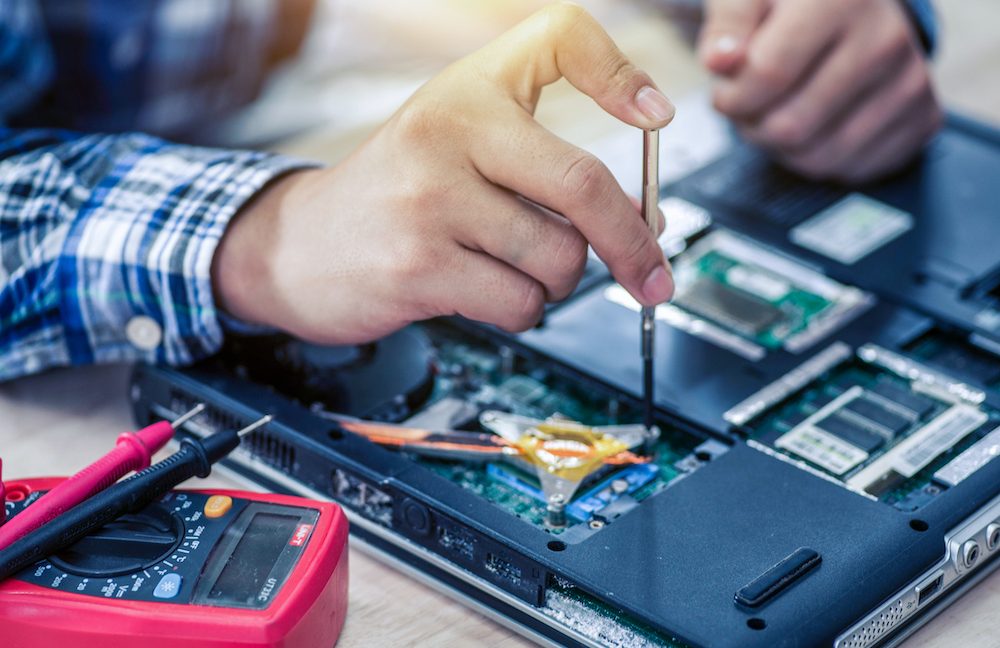
Tech companies are trying to neuter Colorado’s landmark right-to-repair law
Right-to-repair efforts are gaining headway in the US. A lot of that movement has been led by state legislation in Colorado. Since 2022, Colorado has passed bills giving users the tools, instructions, and legal capabilities to fix or upgrade their own wheelchairs , agricultural farming equipment , and consumer electronics . Similar efforts have rippled out through the country, where repair bills have been introduced in every US state and passed in eight of them. “Colorado has the broadest repair rights in the country,” says Danny Katz, executive director CoPIRG, the Colorado branch of the consumer advocate group Pirg . “We should be proud of leading the way.” Read full article Comments
Right-to-repair efforts are gaining headway in the US. A lot of that movement has been led by state legislation in Colorado.
Since 2022, Colorado has passed bills giving users the tools, instructions, and legal capabilities to fix or upgrade their own wheelchairs , agricultural farming equipment , and consumer electronics . Similar efforts have rippled out through the country, where repair bills have been introduced in every US state and passed in eight of them.
A state bill is a glimpse of how corporations are limiting people’s ability to make their own fixes and upgrades.
Manufacturers tend to be less supportive of right-to-repair efforts, as corporations stand to make more money charging for tools, replacement parts, and repair services than if they were to just let people fix things on their own. Some companies have begrudgingly agreed to make their products more repairable. Some have started actively pushing back against new laws intended to enable that.
At Friday’s hearing of the Colorado Senate Business, Labor, and Technology committee, lawmakers voted unanimously to move Colorado state bill SB26-090 —titled Exempt Critical Infrastructure from Right to Repair—out of committee and into the state senate and house for a vote.